
Regular health screening plays a critical role in catching potential medical issues early—often before symptoms even appear. Whether you’re in your 20s or approaching retirement, preventative screenings can literally be the difference between life and death. Many serious conditions, including cancer, diabetes, and heart disease, can be managed more effectively—or even reversed—if caught early.
This article will explore how proper health screenings can safeguard your well-being, extend your lifespan, and reduce long-term healthcare costs. Whether you’re trying to stay healthy for your family, career, or quality of life, understanding which screenings matter most and when to get them is a smart investment in your future.
The Importance of Early Detection Through Screening
Early detection is one of the most powerful advantages of regular health screening. Many diseases, including cancer, high blood pressure, and diabetes, develop gradually with few or no symptoms in the early stages. By the time noticeable signs appear, the condition may already be advanced and harder to treat. Health screenings can uncover these hidden issues early, giving you a greater chance at successful treatment and recovery.
For instance, a simple blood pressure test can reveal hypertension, which, if left untreated, increases the risk of stroke and heart disease. Similarly, mammograms can detect breast cancer at a stage when it’s most treatable, significantly increasing survival rates. These examples underscore how life-saving screenings can be, especially when integrated into a regular healthcare routine.
Moreover, early detection often means less aggressive treatments, shorter recovery times, and lower medical expenses. Instead of treating a full-blown illness, your doctor can work with you on preventative steps or early interventions that improve your quality of life. For individuals and families alike, this proactive approach leads to peace of mind and better long-term health outcomes.
Related: How to Achieve Long-Term Success in Weight Management
Common Types of Health Screenings and What They Detect
There is a wide range of health screening tests available, each designed to catch specific health issues before they become serious problems. Understanding what these screenings look for can help you make informed decisions about your health.
Blood pressure screening, for example, identifies hypertension—a condition that often presents no symptoms but can lead to heart disease and stroke if left unchecked. Blood tests can check for cholesterol levels, glucose, and other markers that indicate risks for diabetes or cardiovascular problems.
Cancer screenings are also essential. Mammograms are used to detect breast cancer, colonoscopies check for colorectal cancer, and Pap smears screen for cervical cancer. For men, prostate-specific antigen (PSA) tests can help identify prostate cancer risks. Additionally, skin checks for abnormal moles or spots can catch melanoma early, a cancer that’s highly treatable in its initial stages.
Other routine screenings include eye exams, hearing tests, and dental checkups—all of which are crucial for maintaining daily functioning and quality of life. Immunization status reviews and bone density scans (especially for older adults) also fall under preventative health care. These screenings help ensure your body is functioning properly and alert healthcare providers to any changes that might need attention.
Related: Tips for Staying Active with a Busy Schedule
How Often You Should Get Screened at Different Life Stages
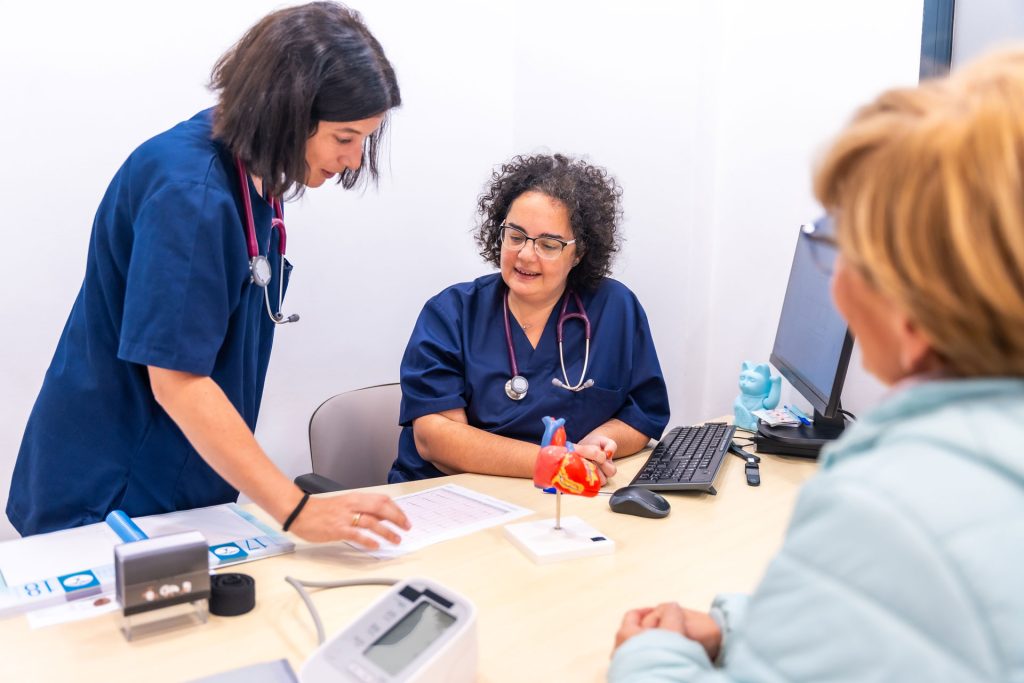
The frequency of health screening varies based on your age, lifestyle, family history, and existing conditions. Knowing when to get checked can prevent small issues from becoming major health crises.
In your 20s and 30s, annual physicals are typically sufficient, with routine screenings for blood pressure, cholesterol, and BMI. Women should begin cervical cancer screenings (Pap smears) by age 21 and continue every three years unless advised otherwise. Men may begin testicular exams during regular check-ups, though these are often self-monitored.
By your 40s, additional screenings become important. Women are usually advised to start mammograms by age 40, while men may begin discussions about prostate health. Cholesterol tests should be done more regularly, and diabetes screenings may begin depending on risk factors like weight and family history.
Once you reach your 50s and beyond, colonoscopies for colorectal cancer, osteoporosis checks, and regular skin cancer screenings should be part of your routine. For both men and women, screenings may increase in frequency as risks for chronic diseases rise with age.
Each individual is different, so your healthcare provider can recommend a personalized screening schedule. Staying consistent with age-appropriate screenings ensures timely detection and better management of health issues over the long term.
Related: Heart Attack Prevention: Lifestyle Changes That Work
Health Screenings for Men vs. Women
While many health screening tests are universal, there are several that differ based on biological sex. Understanding these differences can help individuals of all genders take proactive steps toward their health.
For women, reproductive health is a key focus. Pap smears and HPV testing are important for detecting cervical cancer. Breast health screenings, such as mammograms, are recommended starting at age 40 or earlier for those with family history. Bone density tests are also more common among women, especially after menopause, due to the higher risk of osteoporosis.
Men, on the other hand, may undergo prostate-specific antigen (PSA) tests starting around age 50, or earlier if they have risk factors. Testicular cancer screenings, often done through self-exams, are also crucial for men, especially in younger age groups. Abdominal aortic aneurysm screenings are sometimes recommended for older men with a history of smoking.
Both men and women should undergo cholesterol, blood pressure, diabetes, and skin cancer screenings. However, lifestyle and hormonal differences mean the frequency and focus of these tests may vary. Discussing personal risk factors with a healthcare provider ensures each individual receives the most relevant and effective screenings for their health needs.
Related: How to Balance Hormones for Better Health
Barriers to Getting Screened and How to Overcome Them
Despite the benefits of health screening, many people skip them due to various barriers. These obstacles can be physical, psychological, or logistical. Overcoming them starts with awareness and planning.
Here are common barriers and ways to address them:
- Cost and Insurance Concerns: Many people assume screenings are expensive. However, most insurance plans cover routine screenings. Community health centers also offer low-cost or free services.
- Fear of Results: Anxiety about potential diagnoses can be paralyzing. Remind yourself that early detection leads to better outcomes, and not knowing can lead to worse complications.
- Time Constraints: Busy schedules can push health to the back burner. Try to schedule appointments months in advance and choose clinics with flexible hours.
- Lack of Information: Some people simply don’t know which screenings they need. Talking to your doctor during a yearly check-up is a great starting point.
- Cultural or Language Barriers: Diverse backgrounds may lead to hesitancy or misunderstanding about medical tests. Look for clinics with translators or culturally sensitive care.
Making screenings a priority, even with small adjustments, can significantly reduce the risk of serious illness.
The Economic and Emotional Benefits of Preventative Care
Preventative health screening doesn’t just save lives—it saves money and improves emotional well-being. Catching problems early means fewer hospital visits, less invasive treatments, and reduced time off work due to illness.
Here are some major benefits:
- Lower Long-Term Healthcare Costs: Treating conditions like cancer or heart disease in advanced stages is far more expensive than catching them early.
- Reduced Insurance Premiums: Some insurance companies offer incentives or discounts for clients who stay current on screenings and maintain good health.
- Peace of Mind: Regular screenings offer reassurance, lowering stress about “what if” scenarios and helping people feel more in control of their health.
- Improved Quality of Life: Early treatment of issues like vision loss, joint problems, or high blood pressure can help individuals maintain independence and enjoy daily activities longer.
- Stronger Workplace Productivity: Healthier employees tend to miss fewer days and perform better, benefiting both workers and employers.
Investing time and effort in preventative care now leads to major savings—in both money and emotional energy—down the road.
Your health is your most valuable asset—don’t wait for symptoms to tell you something’s wrong. Prioritize health screening as a proactive step toward a longer, healthier life. If you’re in Troy, Michigan, and looking for trusted, experienced care, schedule your appointment with Rose MD Health.
Led by Dr. Rose Natheer, an American board-certified physician in Internal Medicine with over 20 years of clinical expertise, Rose MD Health offers personalized, compassionate care tailored to your unique needs. From preventative screenings to chronic disease management, your health journey is in capable hands.
Take the first step today—contact Rose MD Health in Troy, Michigan, and experience quality care designed to keep you thriving.