
When choosing a primary care provider, convenience and comprehensive service often top the list of priorities. One of the most underrated yet powerful features of a high-quality primary care office is the availability of in-house lab services. These built-in labs can significantly improve the speed, comfort, and efficiency of your medical care.
For patients juggling busy schedules or managing chronic conditions, waiting several days for lab appointments or test results from external facilities can be frustrating and even detrimental. A primary care office that offers in-house lab testing eliminates many of these hurdles. It streamlines diagnosis, treatment, and follow-up, allowing you to receive faster care under one roof.
This article explores the key benefits of choosing a primary care office with in-house lab capabilities. Whether you’re evaluating a new provider or reassessing your current healthcare setup, understanding these advantages will help you make a more informed and health-conscious decision.
Faster Diagnosis and Treatment Timelines
One of the most significant advantages of choosing a primary care office with in-house lab services is the speed at which diagnostic information becomes available. When labs are handled on-site, test results are often processed more quickly than if they were sent to an external laboratory. In many cases, patients can receive same-day or next-day results, depending on the type of test.
This speed is crucial in situations where time-sensitive decisions need to be made—such as starting antibiotics for an infection or monitoring changes in blood sugar levels for diabetic patients. Immediate access to lab results allows physicians to adjust medications, order further tests, or begin treatment plans without unnecessary delays. This can improve health outcomes and reduce the risk of complications.
Additionally, the internal coordination between physicians and lab technicians within the same facility creates a more seamless workflow. The lab team understands the provider’s preferences and expectations, which means less back-and-forth and faster communication.
For patients, the benefits of this streamlined process can’t be overstated. Waiting for lab results is often a source of anxiety. In-house labs shorten that window, providing quicker peace of mind—or faster paths to healing—when it’s needed most.
Related: How Preventative Care Can Lower Your Long-Term Healthcare Costs
Greater Convenience for Patients
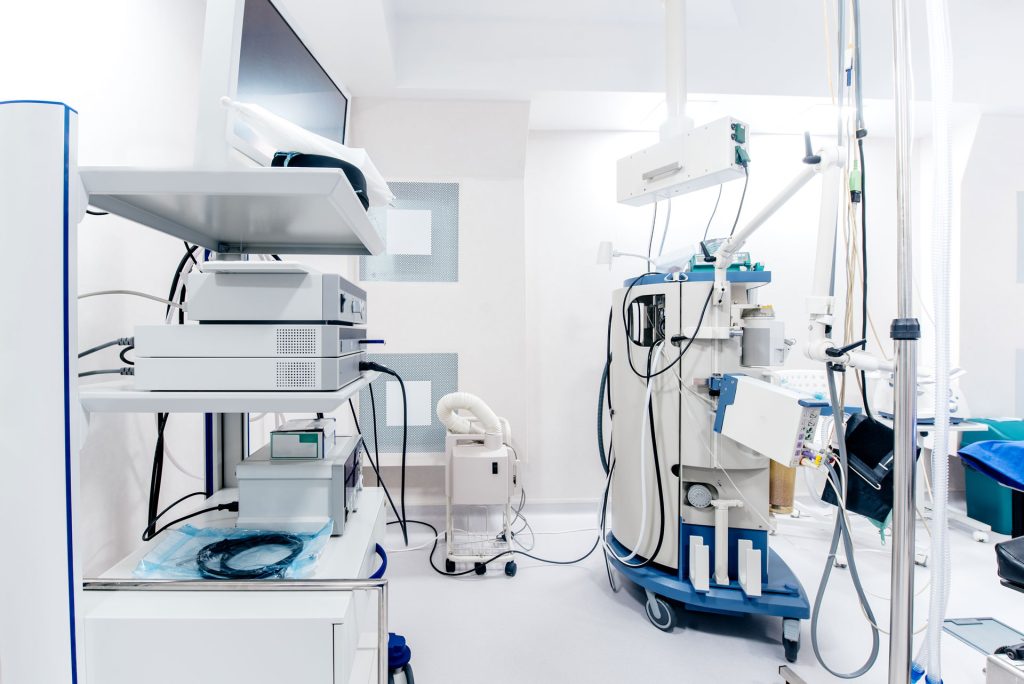
Having lab services available at your primary care provider’s office makes the healthcare experience much more convenient. Rather than traveling to a separate lab facility, patients can complete testing in the same place they see their doctor. This can be particularly beneficial for individuals with limited mobility, tight schedules, or transportation challenges.
Here are some of the key convenience benefits:
- One location for multiple services: You don’t need to book appointments at separate facilities for blood work or other diagnostic tests.
- Fewer appointments to manage: You can get your lab work done during the same visit as your consultation.
- Reduced wait times: In-house labs are often more efficient and less crowded than standalone testing centers.
- Improved patient compliance: When lab tests are easier to complete, patients are more likely to follow through with their physician’s recommendations.
- Ideal for families: Parents with children or caregivers managing multiple appointments can streamline care for everyone under one roof.
For today’s busy adults, this level of accessibility and ease can make all the difference in staying proactive about healthcare.
Related: Signs You Should Visit a Thyroid Care Specialist in Troy
Better Management of Chronic Conditions
Patients with chronic conditions such as diabetes, hypertension, or thyroid disorders require regular monitoring through lab tests. Managing these ongoing health issues becomes more efficient and less burdensome when lab services are integrated into a primary care office.
Instead of visiting multiple locations for each check-up, patients can complete their routine labs and see their doctor in a single trip. This not only saves time but also allows for real-time discussion of lab results, helping patients better understand their condition and adjust their treatment plans promptly.
Moreover, frequent lab testing is essential for tracking changes in a chronic condition and detecting complications early. In-house labs enable faster trend analysis by your provider, as they have quicker access to a complete and centralized medical history. This leads to more accurate decision-making, better medication adjustments, and timely interventions.
By reducing logistical challenges, in-house labs also encourage better adherence to treatment protocols. Patients are more likely to complete regular tests when it’s easy and convenient. This helps in maintaining long-term health and avoiding costly or severe health episodes that result from delayed care.
Related: 5 Reasons Patients Choose a Female Doctor in Troy, Michigan
Reduced Errors and Miscommunication
Coordination between multiple healthcare entities can sometimes lead to miscommunication, lost test results, or misfiled paperwork. When labs are handled externally, the margin for error increases due to the involvement of third-party services. Choosing a primary care office with in-house lab services reduces these risks significantly.
Internal labs work hand-in-hand with the provider’s electronic medical records system, ensuring that test results are correctly labeled, quickly recorded, and accurately interpreted. With fewer people involved in handling sensitive medical information, the chances of mistakes decrease.
Physicians and lab technicians working under the same roof are often more familiar with each other’s processes and preferences. This familiarity results in more accurate test requests, better sample handling, and immediate clarification if a test order is unclear or needs to be adjusted.
Patients also benefit from the reduced need to track down results themselves or act as intermediaries between their provider and a third-party lab. In-house services minimize the steps in the process, which enhances accuracy and supports safer, more effective care.
Related: The Role of a Primary Care Doctor in Your Long-Term Health
Lower Out-of-Pocket Costs
Financial concerns often prevent people from following through with necessary lab tests. Fortunately, using a primary care provider with in-house lab services can lead to lower overall costs, both in terms of insurance co-pays and out-of-pocket expenses.
Consider the following financial benefits:
- Bundled billing: Many in-house labs offer bundled pricing when tests are done alongside a doctor visit.
- Insurance savings: Some insurance providers may offer lower co-pays for labs performed within a provider’s network or under one billable event.
- Fewer administrative fees: Third-party labs often add administrative charges that in-house labs may avoid.
- Reduced transportation costs: Patients save money on fuel, parking, or public transit by avoiding separate trips.
- Fewer missed work hours: Quicker appointments mean less time away from work and fewer lost wages.
For families and individuals alike, these savings can make preventive care and ongoing health management more financially accessible.
Enhanced Continuity of Care
One of the cornerstones of excellent primary care is continuity—seeing the same providers over time who know your health history and can track your progress. In-house lab services further strengthen this continuity by keeping every aspect of your medical journey under one roof.
When lab data is readily available in the same system used by your provider, it ensures that nothing falls through the cracks. Your doctor can reference past test results immediately and compare them to current findings, all without having to chase down files from an external lab.
This holistic approach results in more personalized care. Your provider can notice subtle changes over time, offer targeted advice, and maintain a consistent treatment plan. It also enhances patient trust, as you’re working with a team that is completely aligned in its approach to your care.
Ultimately, integrated lab services support the kind of long-term, relationship-based healthcare that primary care is meant to deliver. It’s not just about solving problems in the moment—it’s about preventing them in the future.
Choosing a primary care provider with in-house lab services is more than just a convenience—it’s a commitment to faster, safer, and more coordinated care. If you’re located in Troy, Michigan, consider making your health a priority with Rose MD Health.
Dr. Rose Natheer, an American board-certified physician in Internal Medicine, brings over 20 years of clinical expertise to her practice. At Rose MD Health, patients benefit from the kind of personalized, efficient care that comes from a truly integrated healthcare experience.
Looking for a primary care provider who puts your needs first? Discover the difference at Rose MD Health in Troy, Michigan.